No, most electric bicycles do not charge while you ride. Although some electric bikes feature regenerative braking systems, which convert kinetic energy into electricity when braking or coasting downhill, the amount of energy recovered is minimal.
Typically, electric bikes rely on being plugged into a charger to restore the battery’s power. While regenerative braking is more common in electric cars, it’s not widely used in e-bikes due to the limited energy recovery and the added cost and complexity of the system.
However, according to Cyberbikes CEO Felipe Rodrigues, the future of electric bicycles may involve a shift away from traditional chain-and-gear systems towards a more efficient model where riders generate electricity directly back to the battery.
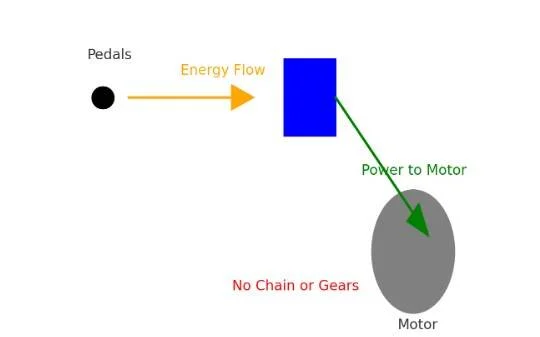
In this proposed system, pedaling would no longer transfer power to the rear wheel via a chain. Instead, the rider would pedal on a dynamo that generates electricity, which is fed back into the battery. This method allows for more efficient pedaling and less wear and tear on the bike’s components, reducing the need for maintenance.
One of the main advantages of this dynamo-based system is that it allows the rider to maintain an optimal cadence during both acceleration and deceleration. This consistent pedaling rhythm would allow the battery to be topped up by a constant charging current, improving energy efficiency.
In contrast, traditional bicycles and current e-bikes interrupt the pedaling process when shifting gears or slowing down, leading to inefficiencies in power transfer. Additionally, the chain and cassette gears of conventional bikes are lightweight but inefficient at transmitting power to the rear wheel. They also require frequent maintenance and lubrication, as they are exposed to the elements and prone to wear.
This vision of the future of e-bikes could lead to more durable, efficient, and low-maintenance bicycles, fundamentally changing the way we approach cycling technology.