
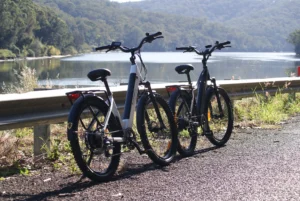
The safety of e-bikes compared to regular bicycles depends on various factors, including the rider’s experience, road conditions, and how the bike is used. While e-bikes offer certain advantages that can enhance safety, they also introduce new risks that riders need to be aware of. Here’s a balanced look at whether e-bikes are safer than regular bikes:
Potential Safety Advantages of E-Bikes
Assisted Pedaling:
- Less Physical Strain: E-bikes can reduce the effort required for uphill climbs or longer rides, helping riders avoid fatigue, which can be a safety issue on longer journeys.
- Steadier Speed: The motor can help maintain a more consistent speed, reducing the chances of sudden stalls that might lead to accidents, especially in areas with hills or strong headwinds.
Improved Acceleration:
- Quicker Starts: E-bikes can accelerate faster from a stop, making it easier for riders to clear intersections and avoid potential dangers in heavy traffic.
More Accessible for Older or Less Fit Riders:
- E-bikes make cycling accessible to a wider range of people, including those who may not have the physical stamina for a traditional bike. This can reduce the risk of exhaustion-related accidents.
Traffic Flow:
- E-bikes can help riders maintain a speed closer to that of cars on city streets, allowing them to better integrate into traffic flow, which could reduce some hazards associated with slower-moving bicycles in high-traffic areas.
Potential Safety Risks of E-Bikes
Higher Speeds:
- Faster Riding: E-bikes can reach higher speeds more easily than regular bikes, especially on flat terrain. This increased speed can lead to more serious injuries in the event of a crash, particularly if the rider isn’t experienced with handling the higher speeds.
- Reduced Reaction Time: At higher speeds, riders may have less time to react to obstacles, pedestrians, or sudden changes in traffic, increasing the risk of accidents.
Heavier Weight:
- More Momentum: E-bikes are generally heavier than traditional bikes due to the motor and battery, which means they carry more momentum. This can make it harder to stop quickly and may lead to more severe impacts in crashes.
- Handling: The additional weight can also affect the bike’s handling, particularly when turning or maneuvering in tight spaces.
Overconfidence:
- Some e-bike riders may feel overconfident because of the motor assistance, leading to riskier behavior, such as riding at higher speeds or taking more challenging routes.
Battery and Electrical Issues:
- There are rare but possible risks associated with e-bikes’ electrical systems, such as battery malfunctions or fires, particularly with poorly maintained or cheaper e-bike models.
Studies and Data on E-Bike Safety
- Injury Severity: Some studies indicate that e-bike crashes may result in more serious injuries compared to regular bikes due to the higher speeds and heavier weight.
- Collision Risks: E-bikes tend to be involved in fewer single-bicycle accidents but may have a slightly higher risk of collisions with other vehicles, likely due to their increased presence in traffic.
- Demographics: Older riders tend to prefer e-bikes, and research suggests that older cyclists may be at higher risk of injury in crashes due to slower reflexes or reduced physical resilience, regardless of the type of bike.
Conclusion:
E-bikes offer benefits that can enhance safety, such as reduced physical strain, better traffic integration, and improved accessibility. However, the increased speeds, heavier weight, and potential overconfidence can introduce new risks. Whether an e-bike is safer than a regular bike depends largely on how the bike is used, the rider’s experience level, and adherence to safe riding practices.
For many people, particularly those who ride responsibly and within speed limits, e-bikes can be a safer alternative to regular bicycles. However, the key is understanding and mitigating the risks associated with higher speeds and handling heavier bikes.