Australia is at a turning point in transport policy

Congestion, emissions, rising fuel costs and public health pressures are increasing every year. At the same time, Australia has one of the world’s best solar resources. Electric bicycles (e-bikes) sit exactly at the intersection of these challenges and opportunities. They are efficient, low-impact vehicles that align perfectly with Australia’s climate, geography and energy profile. Yet, they are still treated as a niche product rather than an essential national infrastructure. This must change.
Electric bicycles are the most efficient electric vehicles

An electric bicycle consumes dramatically less energy than any other form of motorised transport. Typical e-bikes use 0.6–1.5 kWh per 100 km, depending on rider input and terrain. By comparison, electric cars consume 15–20 kWh per 100 km, while petrol vehicles convert less than 25% of fuel energy into motion.
This means that with the same amount of electricity used to drive one electric car, 10–20 electric bicycles can be powered for the same distance. In a country aiming to electrify transport, this efficiency advantage is not marginal—it is decisive.
Source:
– European Cyclists’ Federation (ECF), Energy and Transport Comparison
– International Energy Agency (IEA), Global EV Outlook
Solar energy makes e-bikes a natural fit for Australia

Australia has some of the highest rooftop solar penetration in the world. In many regions, daytime wholesale electricity prices are already near zero or even negative. Electric bicycles can be charged directly from small solar systems, often using less electricity than a household kettle.
This creates a powerful equation:
- Abundant solar energy
- Ultra-low energy vehicles
- Minimal grid stress
- Near-zero operating cost
Electric bicycles turn solar energy into mobility with unmatched efficiency. They reduce peak demand, lower infrastructure costs and decentralise transport energy use.
Source:
– Australian Energy Market Operator (AEMO), Integrated System Plan
– Clean Energy Council, Rooftop Solar Statistics Australia
Lower resource use and lower environmental impact

Electric bicycles use far fewer raw materials than cars or even electric motorcycles. A typical e-bike battery is 400–1000 Wh, compared to 50–80 kWh in an electric car. This reduces demand for lithium, nickel, cobalt and rare earths by orders of magnitude.
Manufacturing emissions, tyre wear, brake dust and road damage are also significantly lower. From a full lifecycle perspective, e-bikes are one of the cleanest transport options ever deployed at scale.
Source:
– European Environment Agency (EEA), Life-Cycle Assessment of Transport Modes
– OECD, Environmental Impacts of Urban Transport
Public health and urban productivity benefits

Electric bicycles increase physical activity without excluding older riders, people with injuries, or those commuting long distances. Studies show that e-bike users ride more often and for longer distances than traditional cyclists.
Cities with high e-bike adoption experience:
- Reduced congestion
- Lower healthcare costs
- Faster short-distance travel times
- Higher workforce mobility
In dense urban areas, e-bikes often outperform cars for trips under 10 km.
Source:
– World Health Organization (WHO), Health Economic Assessment Tool (HEAT)
– Transport for London (TfL), Cycling and E-Bike Impact Studies
Government leadership is required
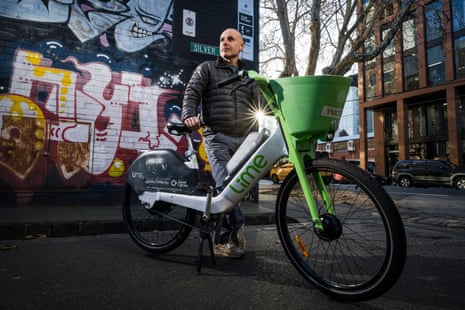
Federal leadership is essential. The Australian Government already supports electric cars through fringe benefits tax exemptions and charging infrastructure funding. Electric bicycles deserve similar strategic recognition.
Key policymakers, including Catherine King, along with state transport ministers, have an opportunity to shape a low-cost, high-impact transport transition by:
- Harmonising national e-bike standards
- Updating outdated power and speed regulations
- Supporting safe urban cycling infrastructure
- Recognising e-bikes as legitimate commuter vehicles
Electric bicycles should be integrated into transport, energy, and health policy—not regulated as toys or treated as exceptions.
Source:
– Australian Government, Department of Infrastructure, National Transport Policy Framework
– Infrastructure Australia, Urban Mobility Reports
The need for a dedicated electric bicycle association

Australia currently lacks a strong, independent national body dedicated specifically to electric bicycles. While organisations like Australian Electric Vehicle Association provide valuable advocacy for electric cars, and Bicycle Industries Australia represents the traditional cycling industry, neither fully addresses the unique technical, regulatory and safety challenges of electric bicycles.
Electric bicycles sit between cycling, energy storage, and light electric vehicles. They require:
- Battery safety standards
- Electrical compliance expertise
- Clear performance classifications
- Industry-wide data and testing frameworks
Australia would benefit from an Electric Bicycle Association of Australia, focused on safety, standards, consumer education, and evidence-based policy input. This body should be independent, transparent, and technically driven, representing manufacturers, retailers, engineers, and riders alike.
Source:
– ISO 4210 & EN 15194 Standards
– Australian Consumer Law (ACL), Product Safety Framework
A strategic opportunity Australia should not miss

Electric bicycles are not a future technology—they are already here, proven and scalable. They align with Australia’s solar advantage, reduce emissions faster than any other transport solution, and deliver immediate economic and health benefits.
Treating electric bicycles seriously is not radical. It is practical, data-driven and fiscally responsible.
If Australia is serious about sustainability, productivity and energy independence, electric bicycles must move from the margins of policy to the centre of national transport planning.