E-Bike Maintenance: Less Than You Think, More Important Than You Realise
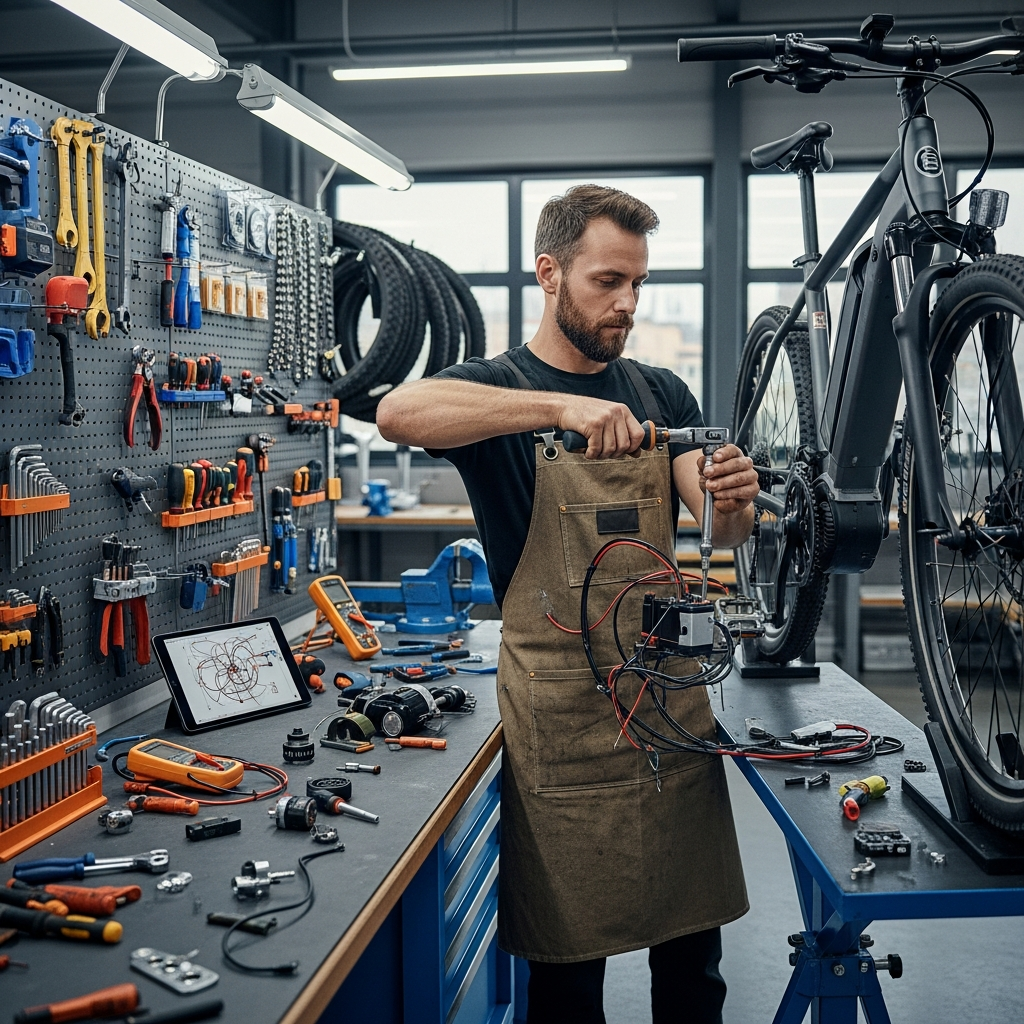
One of the biggest misconceptions about electric bikes is that they’re high-maintenance machines. The reality is the opposite — an e-bike requires far less maintenance than a car and only slightly more than a regular bicycle. The key is knowing what to do and when.
The Weekly 5-Minute Check
Before every ride (or at least weekly for daily commuters), do this quick scan:
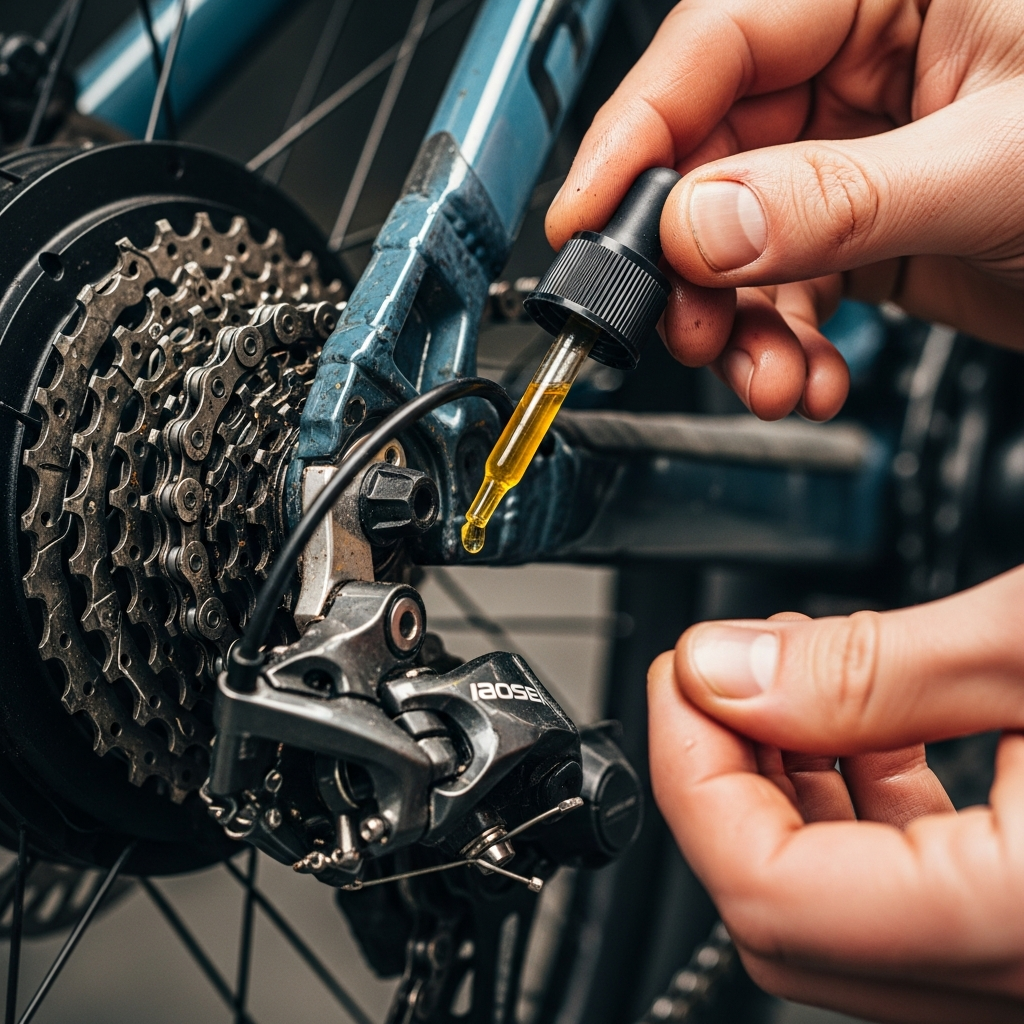
- Tyres: Press with your thumb — they should feel firm, not spongy. Use a pump with a gauge once a week. Correct pressure is printed on the tyre sidewall
- Brakes: Squeeze each lever — the brake should engage well before the lever hits the bar. If it feels soft or takes the full lever travel, the pads need adjustment or replacement
- Chain: Look at it. Is it shiny or rusty? Dry or wet? A well-lubricated chain is golden/dark, not bright silver (too dry) or black and gunky (over-oiled)
- Battery indicator: Note the charge level so you know what to expect on the ride
Monthly Maintenance Tasks
Chain Lubrication
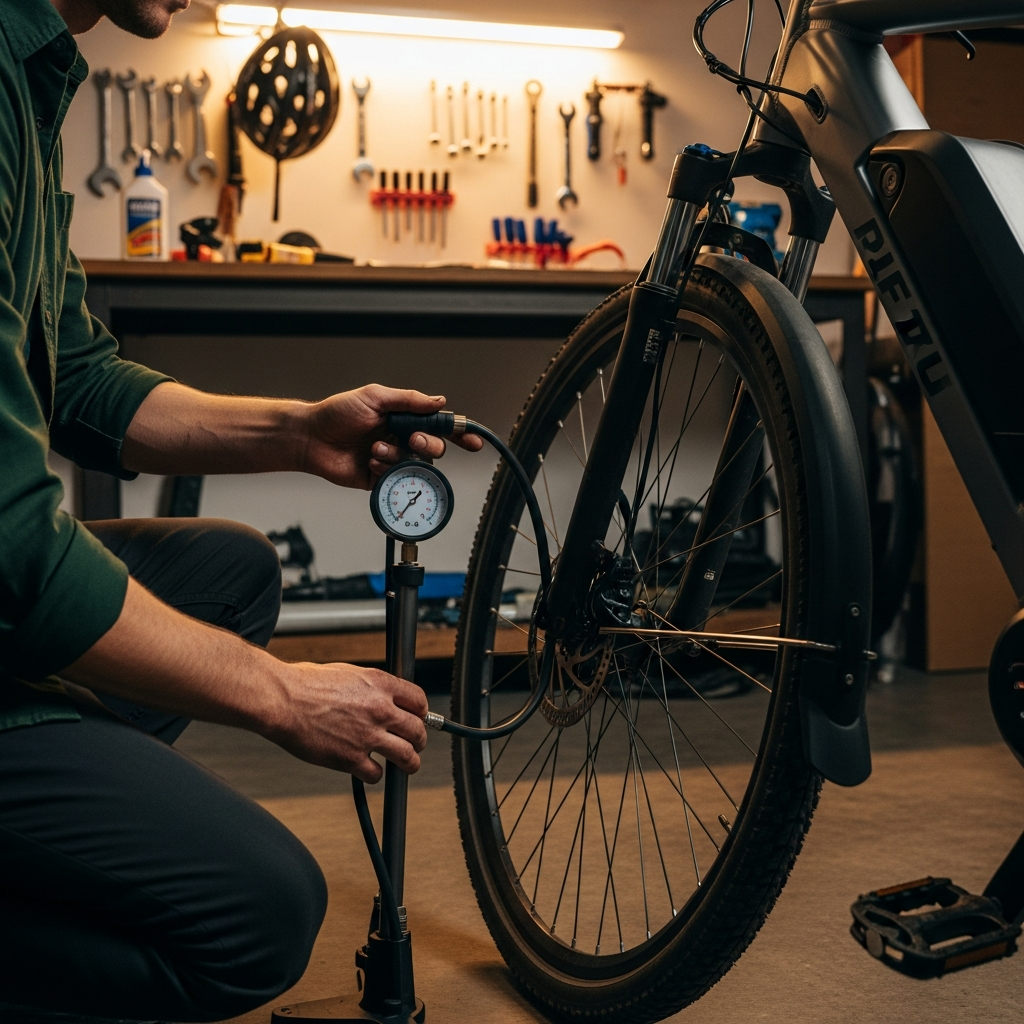
Clean and re-lube the chain every 200–300km or once a month for regular commuters. Use a purpose-made bicycle chain lubricant — not WD-40, which is a degreaser, not a lubricant. Apply lube to each link while turning the pedals, then wipe off the excess. A clean, well-lubed chain significantly extends the life of your drivetrain.
Check Bolts
Vibration loosens bolts over time. Check the seat clamp, stem bolts, handlebar clamp, and rack bolts. A 4mm and 5mm Allen key covers most of these. Snug — not overtightened.
Clean the Bike
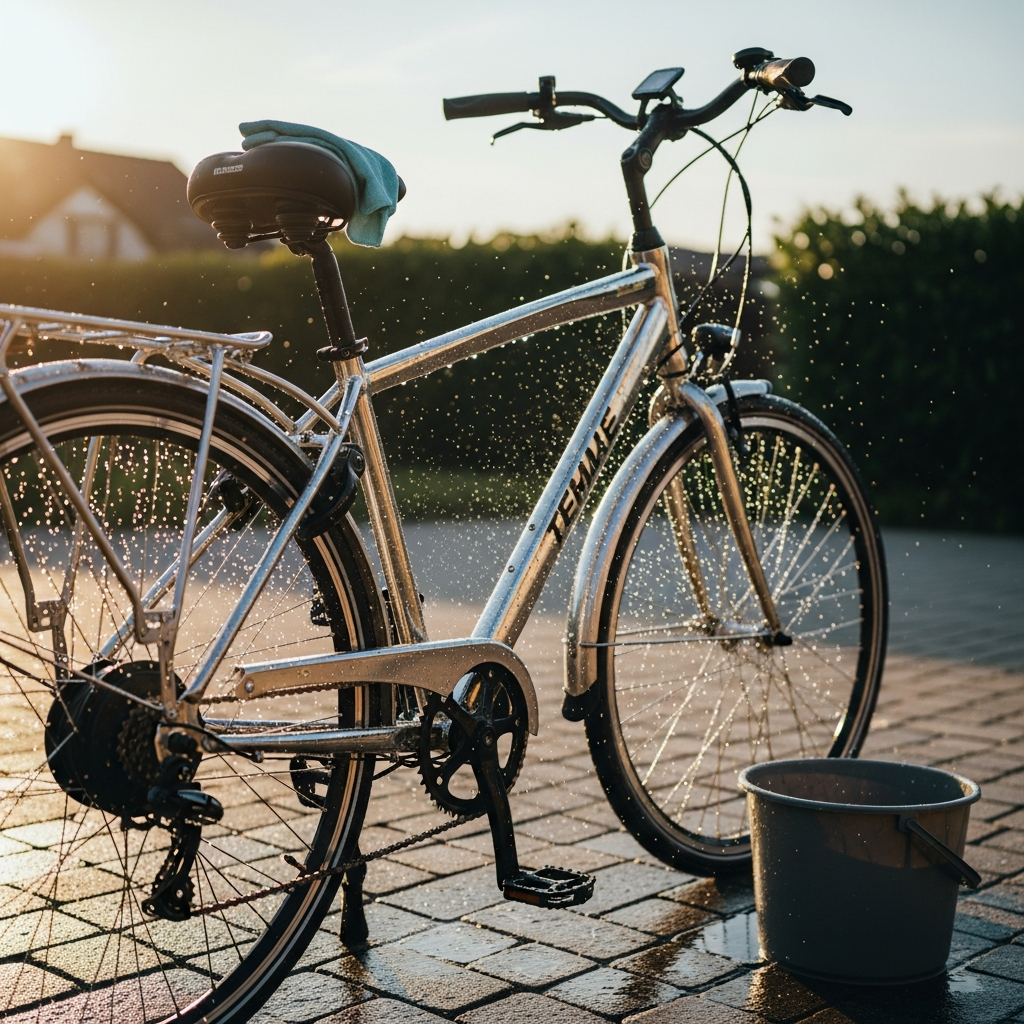
For e-bikes: never use a pressure washer. Water forced into electrical connections and motor seals causes damage that voids warranties. Wipe down the frame with a damp cloth. Use a brush to clear mud from the drivetrain before lubricating.
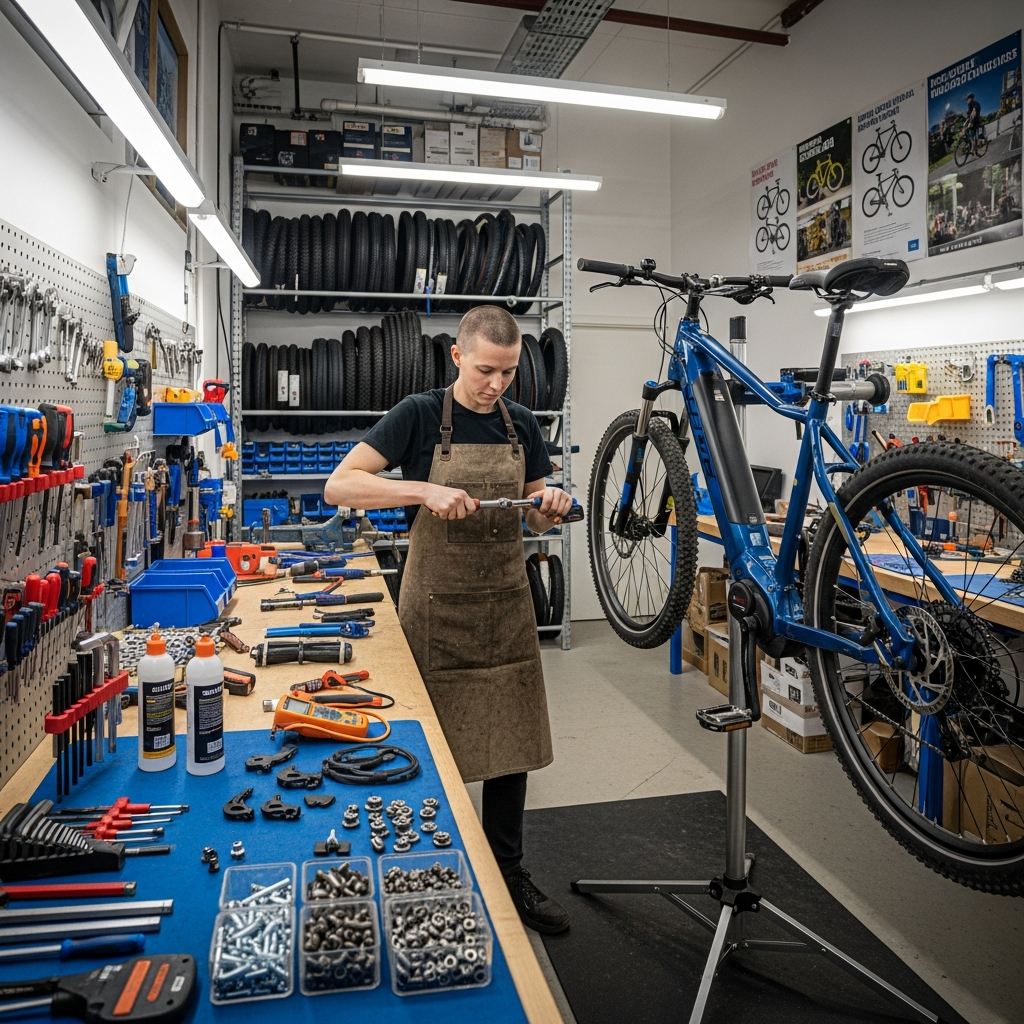
Annual Professional Service
Once a year — or every 800–1,000km for heavy users — take your e-bike to a qualified workshop for:
- Full drivetrain assessment and replacement of worn parts (chain, cassette, chainring)
- Brake bleed (hydraulic) or cable tension adjustment (mechanical)
- Wheel truing (straightening the rim)
- Motor and battery diagnostic check
- Firmware update (some manufacturers release updates that improve range and motor response)
- Frame and fork inspection
Budget $150–$300 for an annual service. It sounds like a lot until you consider that this is less than one monthly car service, and it keeps an expensive machine running perfectly for another year.
Battery Care: The Most Expensive Component
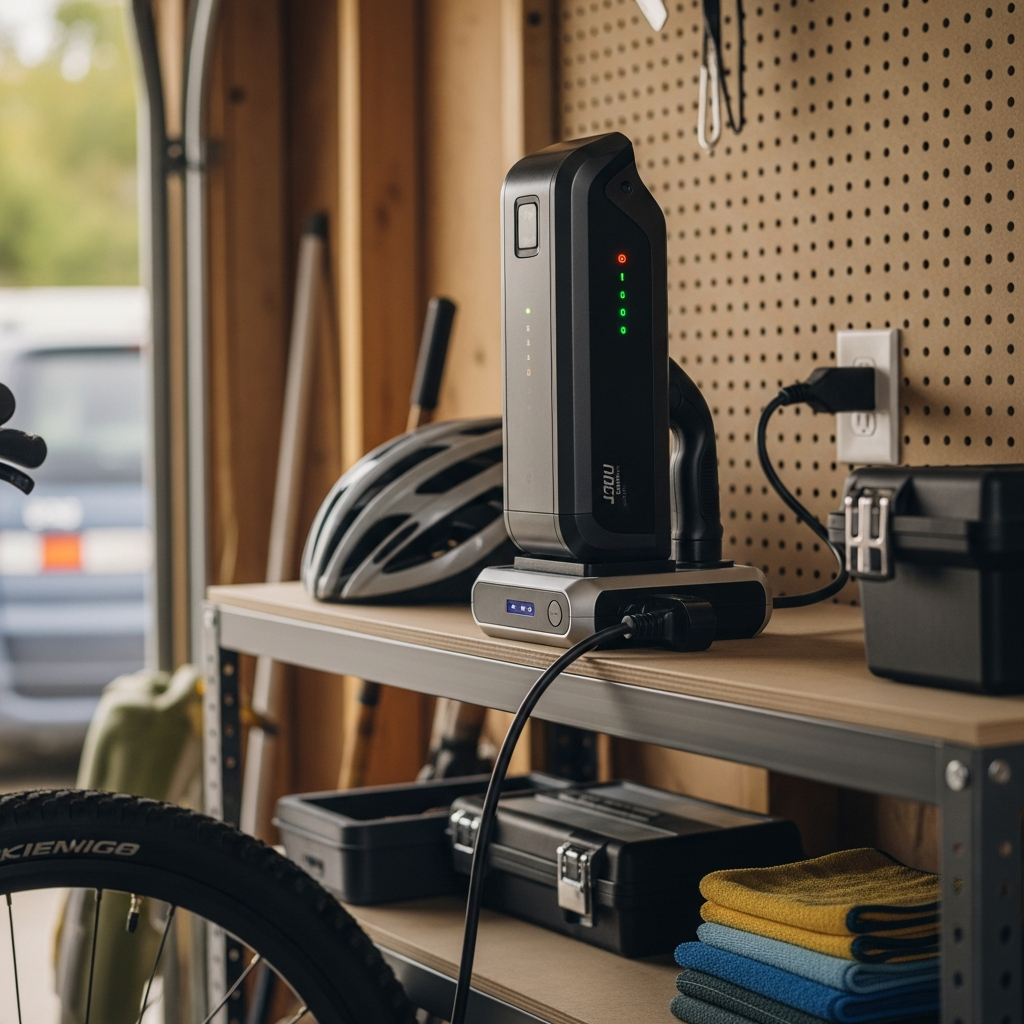
Your battery is the most costly part of the bike to replace ($400–$800). Look after it and it’ll last 5–8 years or 500–1,000 charge cycles.
- Don’t store flat: Keep the battery between 20–80% charge when not riding for extended periods
- Charge after riding: Letting it sit completely flat degrades the cells faster
- Keep it cool: Don’t charge or store in direct sun or in a hot car boot
- Use the original charger: Third-party chargers may deliver incorrect voltage and damage cells
Common Problems and Simple Fixes
Motor not engaging
Check that the battery is properly seated and the connection is clean. Often just a dirty or slightly unseated connector.
Display showing an error code
Look up the code in your manual — most are simple fixes like a sensor connection issue. If the error persists, take it to a workshop before riding.
Squealing brakes
Usually contaminated pads from oil or chain lube. Sand the pad surface lightly with fine sandpaper or replace them — don’t ignore it.
Keep Your Investment Running
A well-maintained electric bike lasts 8–12 years with minimal major costs. The small investment in regular care pays enormous dividends in reliability and resale value.
CyberBikes offers servicing for all e-bike brands at our Sydney workshop — not just bikes we sell. Transparent pricing, experienced mechanics, and no unnecessary upsells.