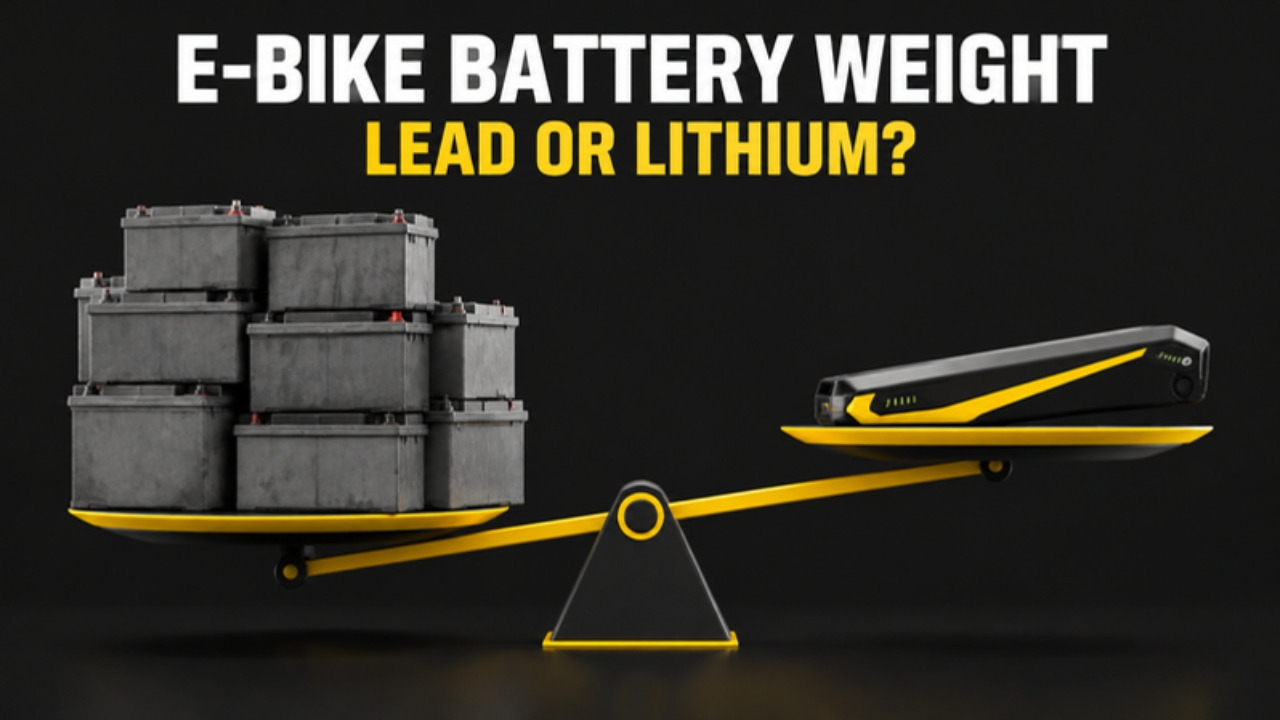

LFP and NMC are two different lithium battery chemistries, and the trade-off between them is simple: NMC packs more range into less weight, while LFP survives far more charge cycles and is much harder to overheat. NMC (lithium nickel manganese cobalt) is the high-energy chemistry on most premium e-bikes — lighter, with more watt-hours per kilogram. LFP (lithium iron phosphate, also written LiFePO4) is a little heavier and stores slightly less energy for its size, but it lasts thousands of charge cycles, tolerates heat better and is the safer of the two. Neither is universally “best” — it comes down to whether you are optimising for range and weight, or for lifespan and safety.
It is one of the fastest-growing questions we field at Cyberbikes in Leichhardt, because battery labels increasingly shout “LFP” or “Samsung cells” without explaining what that means for your ride. Here is the real chemistry, in plain English, and how to pick the right pack for Sydney streets.
What are LFP and NMC, exactly?
Both are lithium-ion batteries — the difference is the recipe of the positive electrode (the cathode). NMC uses a nickel-manganese-cobalt cathode that stores a lot of energy in a small, light cell, which is why it dominates laptops, phones and most performance e-bikes. LFP swaps in an iron-phosphate cathode: cheaper raw materials, far more chemically stable, and famous for its long life. As Grin Technologies notes on ebikes.ca, LFP is the same chemistry used in the toughest power-tool packs, rated for thousands of cycles with “phenomenal current handling.”
Everything else you feel — weight, range, lifespan, safety, even how the battery gauge behaves — flows from that one cathode choice.

Energy density: why NMC gives you more range per kilo
The single biggest reason most e-bikes ship with NMC is energy density — how many watt-hours you can pack into each kilogram. NMC stores noticeably more energy per kilo than LFP, so for the same range an NMC pack is lighter and more compact. Flip it around and an LFP pack with the same watt-hours is bigger and heavier.
Why does that matter on the road? Because range is just energy divided by effort. A battery’s capacity in watt-hours is its voltage multiplied by its amp-hours (that is the amp-hour and watt-hour maths worth knowing), and every extra kilo of battery is weight you then have to move. For a commuter or cargo bike that already carries loads, NMC’s lighter, denser cells keep the whole bike nimble — which is exactly why premium packs, like the Samsung lithium-ion cells on our Centauro, lean on high-energy NMC-class chemistry.
Cycle life and lifespan: where LFP pulls ahead
If NMC wins on weight, LFP wins on longevity. A charge “cycle” is one full 0–100% top-up worth of energy, and LFP simply endures more of them. ebikes.ca cites LFP power-tool packs warrantied for around 2,000 charge and discharge cycles; a typical NMC e-bike pack is usually rated for several hundred full cycles before it noticeably fades. In practice LFP can outlast a comparable NMC pack several times over.
Does LFP really last longer than NMC? Yes, on cycle count — though how you treat any battery matters just as much as its chemistry. ebikes.ca points out that charging to only 80–90% instead of a full 100% can multiply both the cycle life and the calendar life of a lithium pack, which is the single easiest habit for making either chemistry go the distance. We break that down in our guide to whether you should charge your e-bike to 100%.
Safety and heat: the strongest case for LFP
LFP’s headline advantage is stability. Its iron-phosphate cathode is far more resistant to “thermal runaway” — the runaway overheating that makes a damaged lithium cell dangerous — so LFP tolerates heat and abuse better and is, in ebikes.ca’s words, simply “safer” than the cobalt-based chemistries. That is a real plus if your bike lives on a hot balcony through a Sydney summer or gets charged in a timber home.
That said, a quality NMC pack is not unsafe — it is managed. Every good e-bike battery has a Battery Management System (BMS) policing voltage, current and temperature, and reputable packs carry safety certification. Our Centauro’s battery is UL 2271 certified, with the system certified to UL 2849 and an ISO 4210 frame — the standards that matter far more day-to-day than the cathode label alone.
Voltage, your battery gauge and cold weather
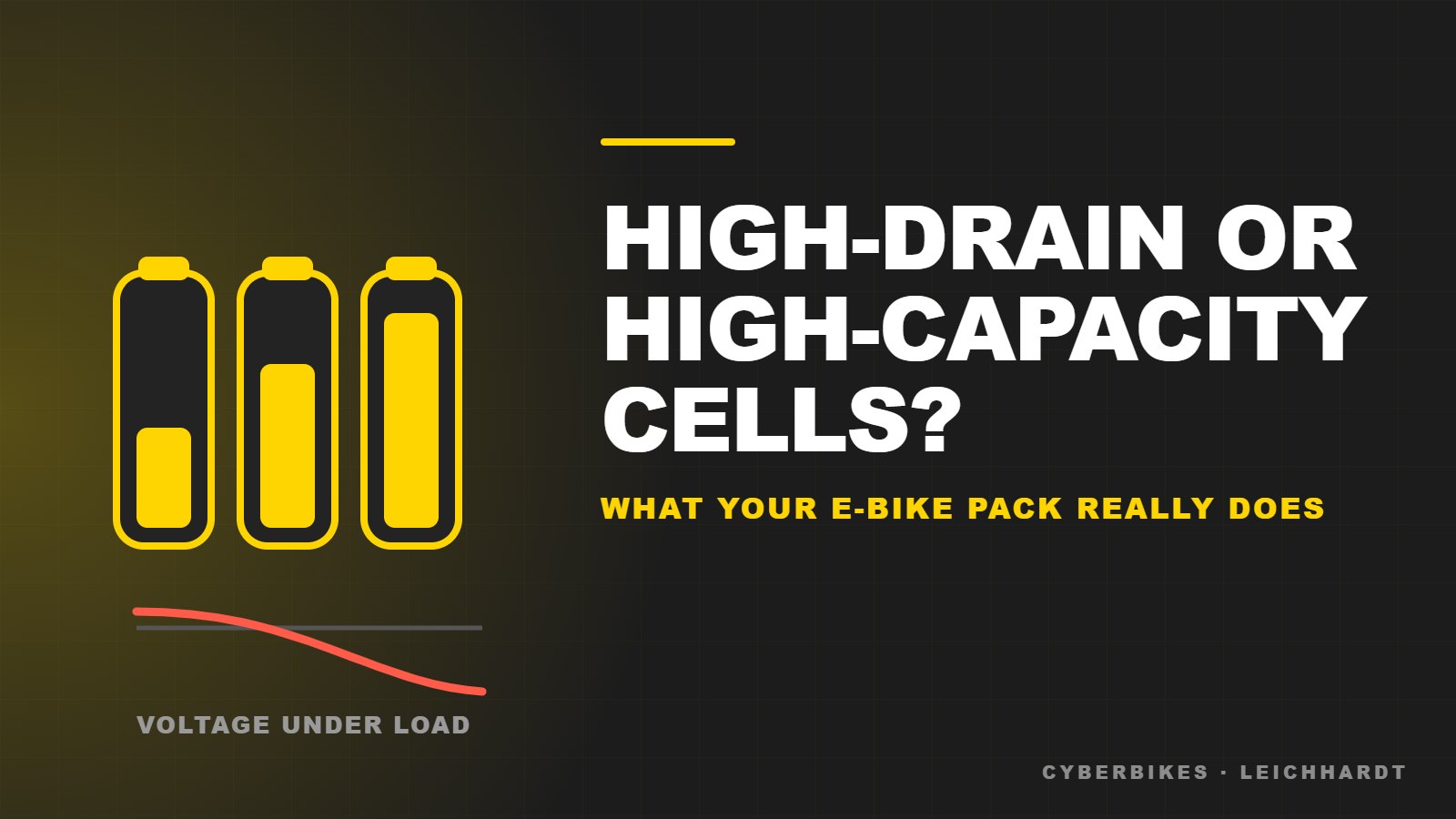
Here is a quirk few riders know: LFP holds an unusually flat voltage. ebikes.ca measures LFP cells charging to about 3.6V and then sitting between 3.3 and 3.2V for most of the discharge, where other lithium chemistries slide steadily down as they empty. Flat voltage means steady power right to the end — but it also makes a simple voltage-based battery gauge harder to read, because the number barely moves until the pack is nearly flat.
Both chemistries lose range in the cold, and the effect is temporary — capacity returns as the pack warms. One hard rule for either type: never charge a lithium battery below freezing, as ebikes.ca warns it can plate lithium metal inside the cells and cause permanent damage. Bring the pack indoors to charge on a frosty Sydney morning.
LFP vs NMC e-bike batteries: the honest comparison
Neither chemistry is a clear winner — they are tuned for different priorities. Here is the side-by-side:
| Feature | LFP (lithium iron phosphate) | NMC (nickel manganese cobalt) |
|---|---|---|
| Energy density (range per kg) | Lower — heavier for the same range | Higher — lighter, more range per kg |
| Cycle life | Very high (~2,000+ cycles) | Lower (usually several hundred) |
| Safety / heat tolerance | Best — very thermally stable | Good — managed by the BMS |
| Weight | Heavier | Lighter |
| Voltage curve | Flat (3.2–3.3V most of discharge) | Gradually declining |
| Cell cost | Lower (iron-based) | Higher (nickel + cobalt) |
| Best for | Long life, safety, heavy daily use | Maximum range and low weight |
Why don’t more e-bikes use LFP if it lasts longer? Weight and size. For the same range, LFP’s lower energy density makes the pack bigger and heavier — a deal-breaker on a bike you have to pedal, lift and park. That is why NMC still rules the premium commuter market, and LFP tends to appear where lifespan and safety outweigh weight.
Which should you choose for Sydney riding?
For most Sydney commuters chasing range on a light, agile bike, NMC is the sensible default — and a well-certified NMC pack, charged kindly to 80–90% most days, will give years of dependable service. If your priority is the longest possible lifespan and the calmest safety margin — a bike charged indoors daily and ridden hard for years — an LFP pack is worth hunting down, as long as you accept the extra weight.
Either way, the chemistry does not change your legal status. Under NSW and Australian rules, a road-legal e-bike is a pedal-assist “pedelec” with a motor rated to 250W that stops assisting at 25 km/h, whether the cells inside are LFP or NMC — what matters legally is the power and speed rating, and that the battery is certified. Our Cyberbikes Centauro pairs premium 48V 25Ah (1,200Wh) Samsung cells with a UL 2271-certified battery, full suspension and hydraulic brakes — a step-through tuned for real Sydney commuting and cargo.
Understand the energy inside your battery
Chemistry aside, the number that decides your running costs and range is energy — measured in watt-hours and kilowatt-hours. This short Cyberbikes explainer on why we all know the price of petrol but not the price of a kilowatt-hour is a handy way to think about what your battery actually stores:
Frequently asked questions
Is LFP or NMC better for an e-bike?
It depends on your priorities. NMC is lighter and stores more energy per kilogram, giving more range on a lighter bike, so it suits most commuters. LFP is heavier but lasts far more charge cycles and is more heat-tolerant and safer, which suits riders who value lifespan and safety over weight.
Is LFP safer than NMC?
Generally yes. LFP’s iron-phosphate chemistry is far more resistant to thermal runaway, so it tolerates heat and abuse better. A quality NMC pack is still safe when it has a good Battery Management System and proper certification such as UL 2271, but LFP has the higher inherent safety margin.
Why do most e-bikes use NMC instead of LFP?
Weight and size. NMC stores more energy per kilogram, so for the same range an NMC pack is lighter and smaller than an LFP one. On a bike you have to pedal, lift and park, that weight saving usually outweighs LFP’s longer cycle life.
Not sure which battery suits your ride? The team at Cyberbikes can talk you through it in person. Come and see us at Cyberbikes, 281 Parramatta Road, Leichhardt, browse the Samsung-powered Centauro, or ask about our rent-to-own plans from $99/week.
#Cyberbikes #eBikeSydney #ElectricBikeLeichhardt #eBikeBattery #LFPvsNMC #CentauroEbike #eBikeTech