So You Want to Buy an Electric Bike — Where Do You Start?
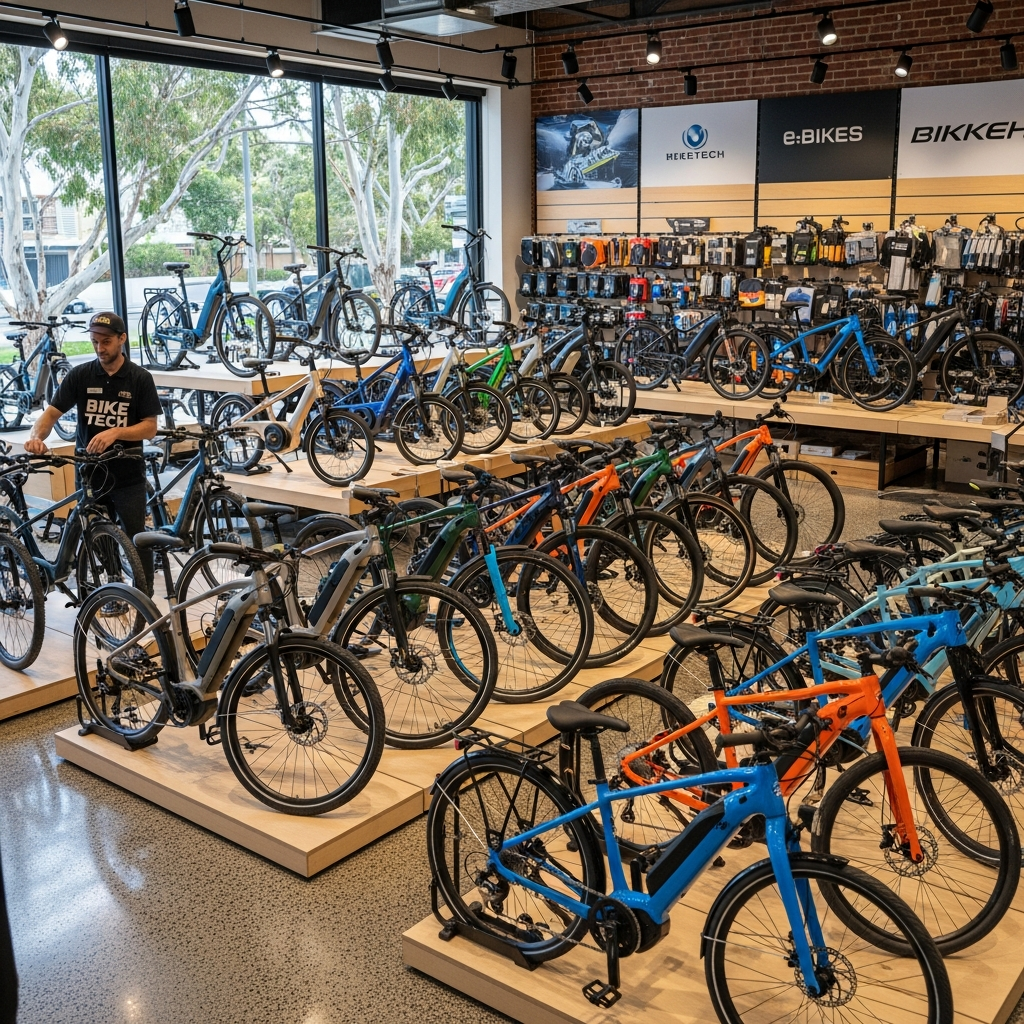
The Australian e-bike market has exploded. Hundreds of models from dozens of brands, price tags from $800 to $12,000, and a flood of cheap imports that may not even be legal to ride. This guide cuts through the noise so you can make a smart purchase the first time.
Step 1: Define How You’ll Actually Use It
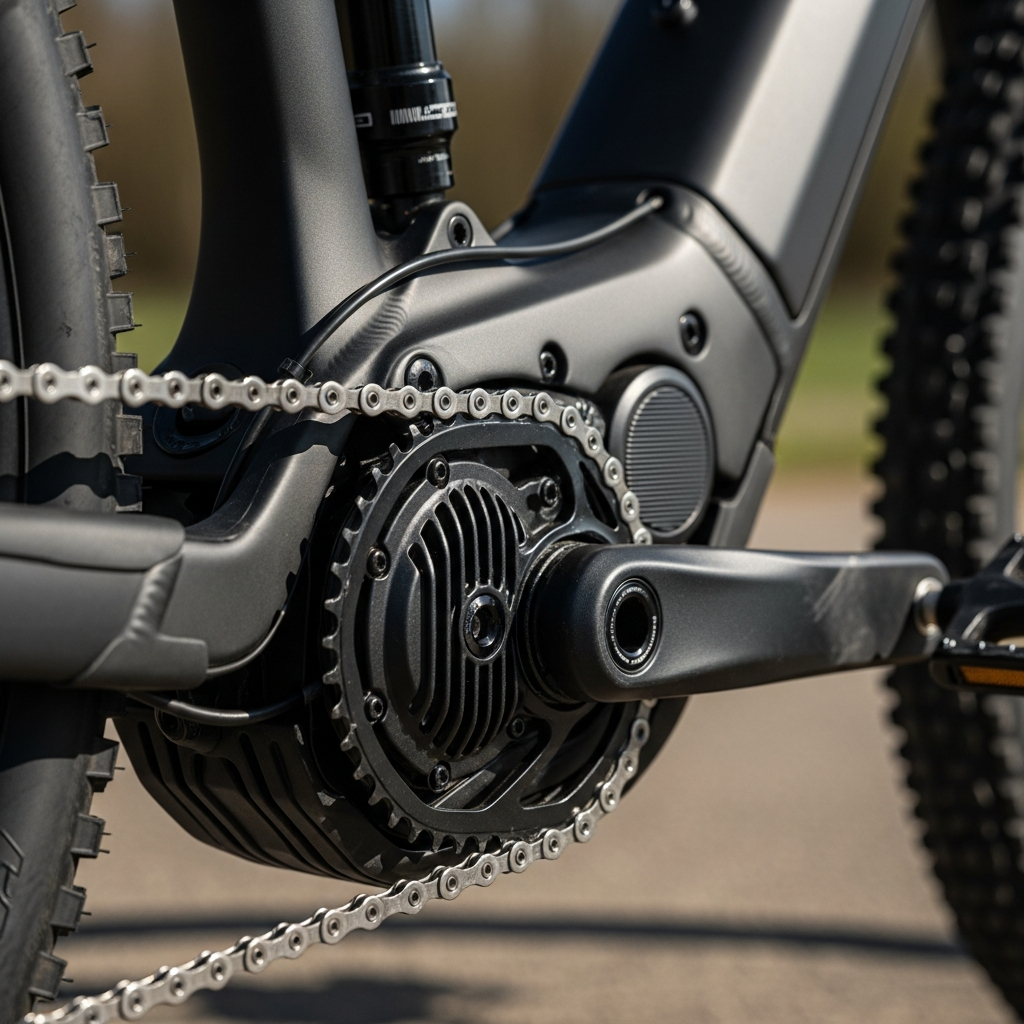
This is the single most important question. Your use case determines everything else.
- Daily commuter (under 20km each way): You need reliability, a step-through or comfortable frame, integrated lights, and a rack or pannier mounts
- Hilly commute or longer distances: Prioritise a larger battery (500Wh+) and a torque sensor over a cadence sensor for natural power delivery
- Weekend fitness and recreation: A more sporty geometry works well; battery range matters less since you’re not doing it daily
- Off-road or trail riding: You need a purpose-built e-MTB with suspension and wider tyres
Step 2: Understand the Key Specs
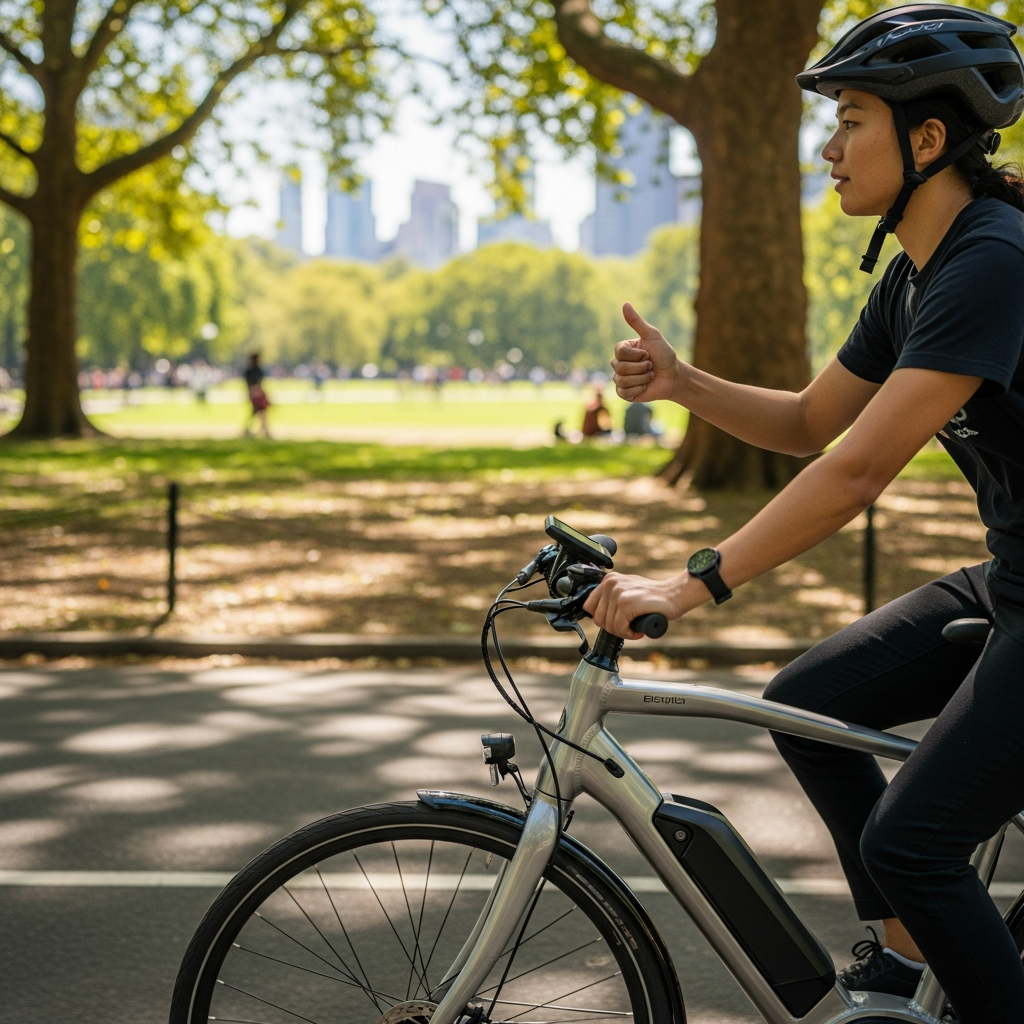
Motor Type
- Hub motor (rear or front): Simpler, cheaper, lower maintenance. Good for flat to moderate terrain
- Mid-drive motor: More efficient, better hill climbing, more natural feel. The preferred choice for hilly Australian cities and touring
Battery Capacity
- 250–360Wh: 30–50km range. Fine for short commutes under 15km each way
- 400–500Wh: 50–80km range. The sweet spot for most Australian commuters
- 600Wh+: 80–120km range. For longer rides, touring, or hilly terrain
Always assume real-world range is 20–30% less than advertised — hills, rider weight, and assist level all eat battery faster than manufacturer test conditions suggest.
Sensor Type
- Cadence sensor: Motor activates when you pedal, regardless of force. Cheaper, but can feel jerky
- Torque sensor: Motor responds to how hard you push. More natural, more efficient — worth paying extra for
Step 3: Know the Australian Legal Requirements
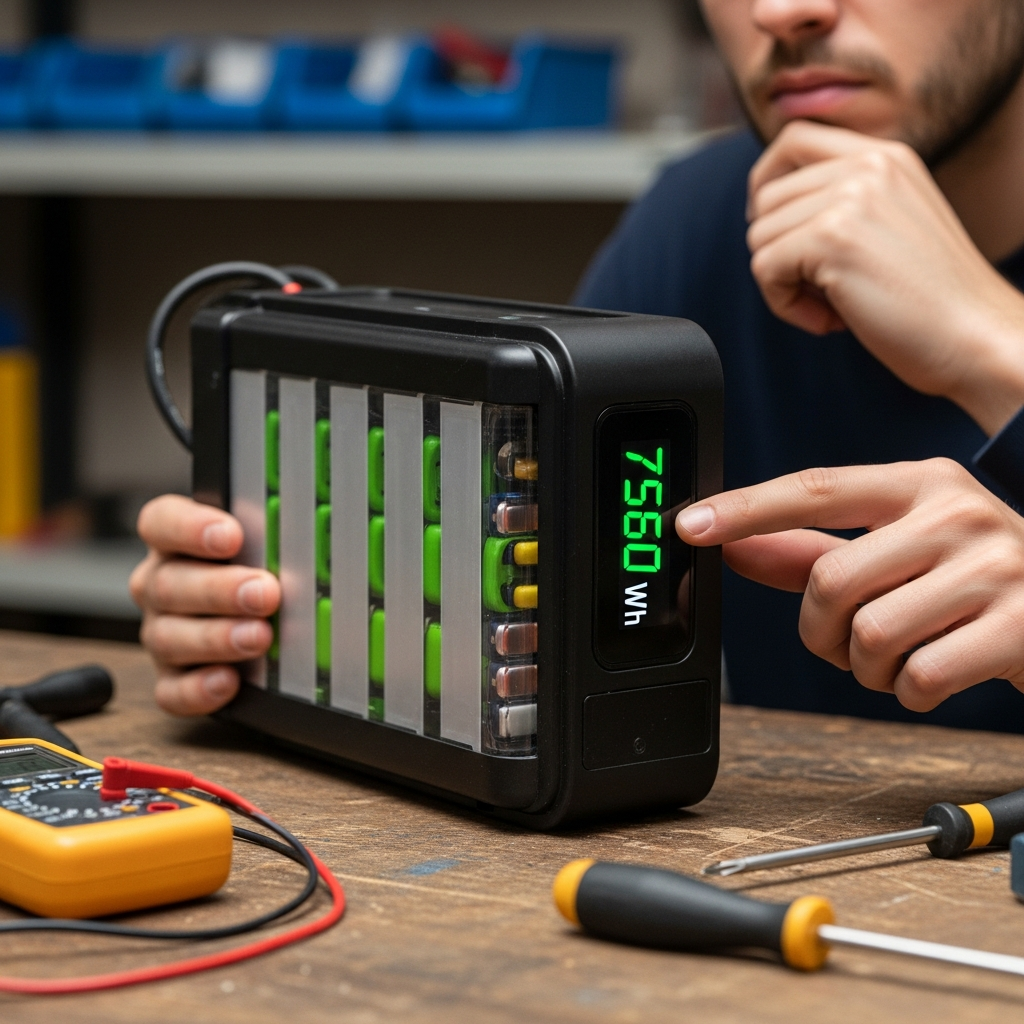
A legal e-bike in Australia must have a maximum 250W continuous rated motor and cut motor assistance at 25 km/h. No licence, registration, or insurance needed. Anything over 250W is classified as a motor vehicle — illegal to ride on bike paths and roads without full vehicle registration.
Always buy from a reputable Australian retailer who can confirm compliance.
Step 4: Set Your Budget Realistically

- Under $1,500: Budget tier. Can work but scrutinise build quality and warranty. Warranty support from offshore sellers can be non-existent
- $1,500–$3,000: The best value zone. Well-engineered bikes with good components and proper Australian warranty support
- $3,000–$6,000: Premium components, better motors (often mid-drive), longer battery life
- $6,000+: High-end performance, European or premium Asian brands
Step 5: Check After-Sales Support
This is where many buyers get burned. A cheap e-bike from an overseas marketplace might save you $500 upfront but leave you with an unrepairable bike 18 months in. Look for:
- Australian warranty (at least 12 months, ideally 24)
- Local spare parts availability
- A physical workshop or authorised service agent in your city
Find the Right Bike for You
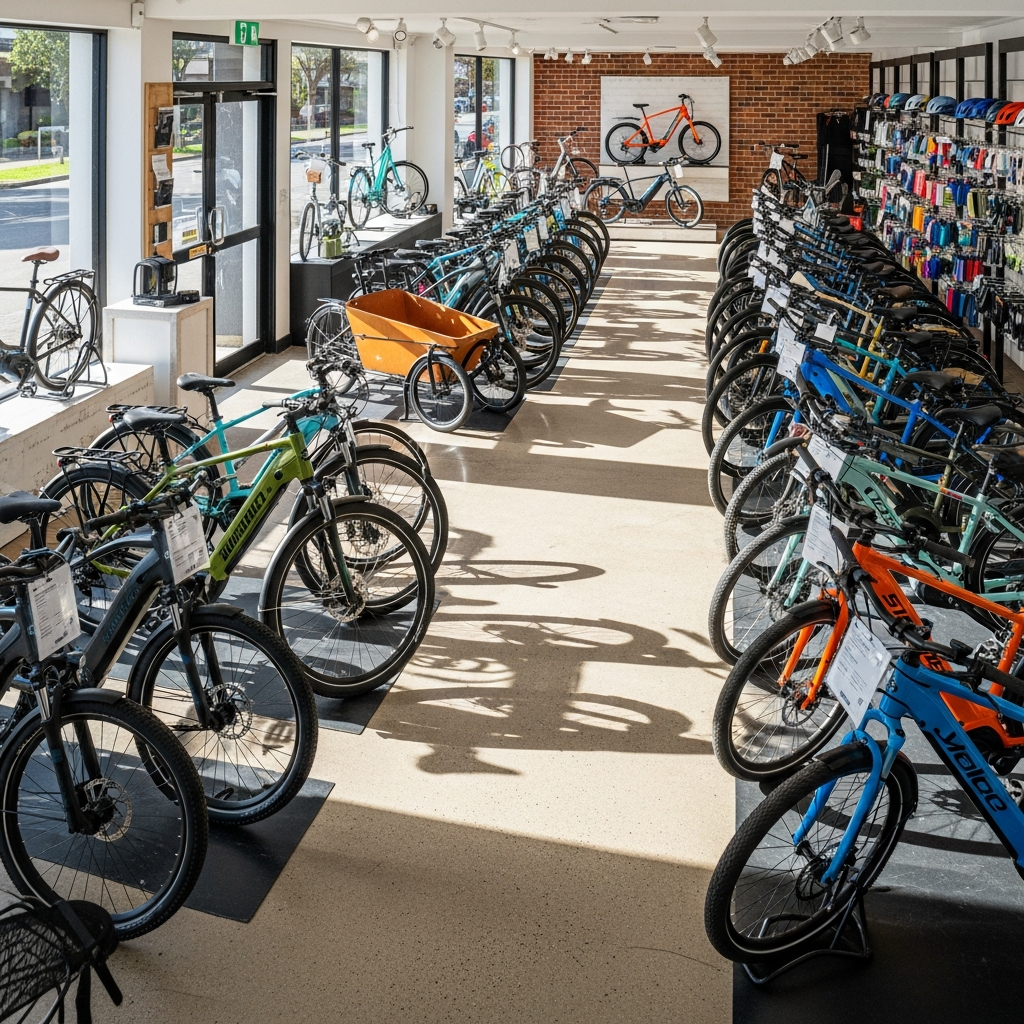
CyberBikes carries a curated range of legal, Australian-compliant electric bikes across every use case — commuting, recreation, and everything in between. Every bike comes with local warranty support and expert advice from riders who actually use them.
Browse the full CyberBikes range → Or visit our Sydney workshop for a test ride.